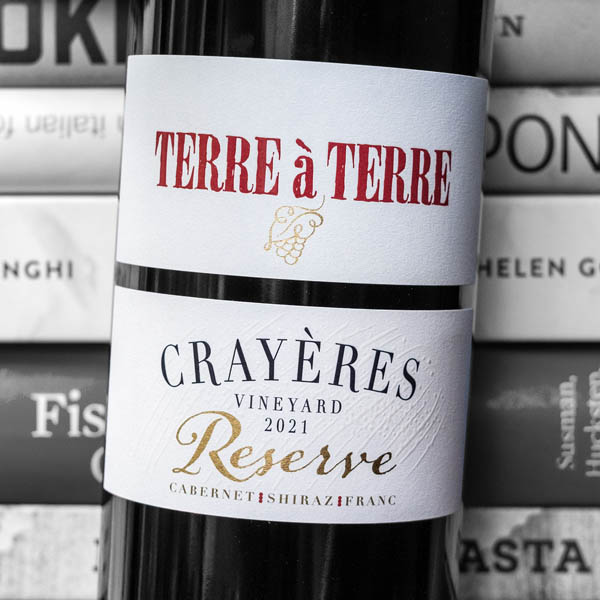
Daosa Blanc de Blancs 2021 (Piccadilly Valley, SA)
Smells quite sublime: super-deep, super-pure, with tangerine peel and baby pineapple*, held in creaminess like a set brûlée before the torch. So a slight wobble among the fruit intensity; so maybe more panna cotta. Gets crystallised peel and panettone dough with air. (This tasting note could be of a fine Franciacorta 😃). On the palate the fruit is delicate, compressed, dry coulis peach and sharp-juicy baby pineapple (again). And a super-fine mousse breaking on the tongue among Meyer pithy peel and melty pink saltiness. There’s gentle white stonefruit kernel and fuzz too, and subtle mouth-aroma wafts of shiny sour-dough brioche crustiness. A most fabulous bubbly. 95(96)/100 (e) - 10/10 (h) - 😋😋😋 - $95 cellar direct.
*I’ve only tasted baby pineapples in Thailand twice, but I recall them as being both sweet, sharp, and acid juicy, but also intensely aromatic. When I encounter this character in Chardonnay my tasting note sensory shorthand is ‘baby pines’, and it tends to—or may—indicate that in the mix are clones that are prone to so-called hen and chicken, such as Mendoza—a.k.a. Gin-Gin—or P58. Millerandage is the accepted technical term for describing the condition of the grape bunch having a large proportion of bigger, seedless berries among smaller—sharper—seeded ones. I’ve heard the term ‘pumpkins and peas’ used in California to described it also, which is rather cute.
To my knowledge, none of the above are planted on the Bizot Vineyard which was established in 1995 for the specific purpose of growing wine grapes for high quality méthode (traditionnelle) sparkling wine. The 30th anniversary background material accompanying the latest releases of Xavier Bizot’s and Lucy Croser’s Daosa sparkling wines states that the clones 76, 95, 96 and 277—sourced from Burgundy and arriving into Australia in the late eighties—are those which are grown there. I’ve no idea if any of these are hen and chicken prone, so I’ll pose the question. It may, of course, have just been a season there was a bit more millerandage around because of the prevailing weather conditions (such as wind at flowering). Or alternatively it may not, and perhaps I’m just getting a bit carried away.
The Bizot vineyard site, incidentally, was identified and selected as being optimal for fine bubbly creation by Xavier’s père, the late Christian Bizot, who lead the venerable and venerated family-owned Champagne house of Bollinger from 1978 until 1994, and Lucy’s father, Brian Croser, whose empoymous bubbly the vineyard was originally destined for (now a brand in the vast Vinarchy portfolio). So it’s a special place with most distinguished beginnings, and one that is now growing and bottling wine of considerable distinction. With certainty, Croser senior would suggest that my connective observation regarding millerandage in chardonnay conferring aromatic characters of baby pineapple, is overly simplistic.
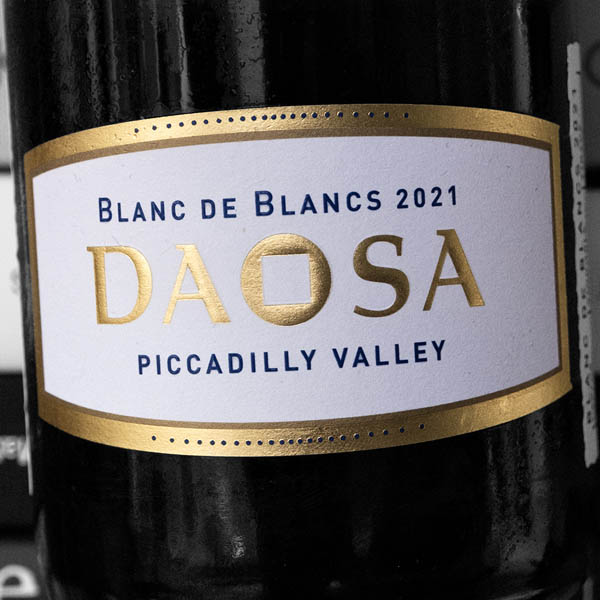
Terre à Terre Crayères Vineyard Reserve Cabernet Sauvignon Shiraz 2021 (Wrattonbully, SA)
This is composed and classy Aussie claret smelling: shiraz plumminess and cabernet sauvignon currantiness billowing in and out—then interleaving. Juicy currant leaf and glistening fruitcake; so both coolness and warmth. Wafts of fine, sourdough mocha oak—integrated, so a component not a feature—and a matte burnish of boot polish. There’s serious fruit here, and it smells seriously structured. Has a surprising lightness—openness—to it, and a crispness within the fruit power. Sour cherry mocha and mellow leather pippy berry fruitiness. Has width and length. Really deep and mouth-sucking through the middle with bracing cabernet sauvignon tannin grippiness to close. But this holds and extends the fruit, it doesn’t detract from it. There’s an alcohol warmth as well, which is entirely in character. 94(95)/100 (e) - 8/10 (h) - 😋😋 - $90. Will yield greater complexity with another five years in bottle.
A disclosure to make here. Back in 2023 Xavier Bizot asked if I would be interested in writing a longer form piece with the theme ‘Australian Claret’, to be published on the Terre à Terre website. To he and me Aussie claret describes the classic Cabernet Sauvignon Shiraz medium to full-bodied red blend once beloved of wine drinkers before the obsession with mono-varietalism. Back in the old days there even were classes at wine shows dedicated to entries colloquially described and entered as ‘Claret’ (there were also ‘Burgundy’ classes).
I agreed, the piece was commission, completed, and I was remunerated accordingly. You’ll find the original piece here and a refreshed and slightly modified version of it here on my website (coming March 4th).
This relationship, however, has had no influence on any reviews or ratings subsequently afforded to Terre à Terre or Daosa wines published to my website. As stated elsewhere it is my practice, unless indicated otherwise—and I make no apology for banging on about this—to assess all wines in randomised, half blind line-ups. This so that I’m not predisposed to rating wines—and perhaps inflating scores—according to any perceived status suggested by the detail of origin on the label, as many other local wine reviewers are evidently inclined to do.
Hopefully you’ll note that I do make qualitative distinctions about the wines I review here—unlike so many other evaluators—which reflect the matter that vintages—and therefore the vines and wine grapes that evolve throughout chnages in seasons—matter. They are distinct are never—ever—exactly identical. This is what makes wine the thought provoking, stimulating, sometimes unpredictable—and gloriously loveable and gluggable—beverage that it is.