CHARDONNAY of CURRENT Note
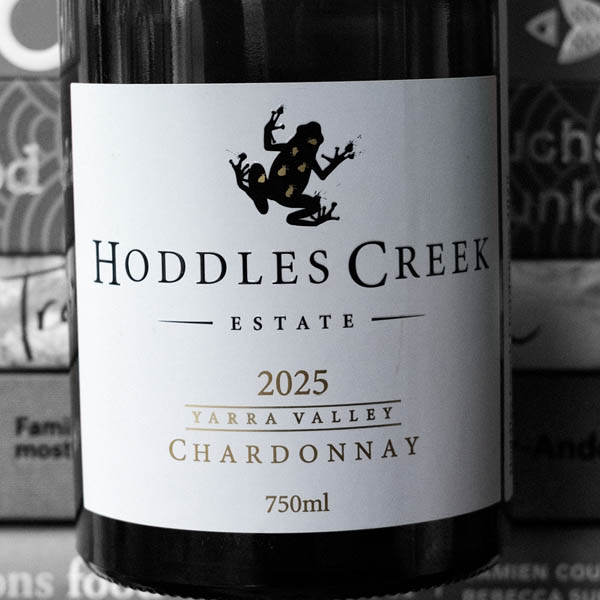
Hoddles Creek Estate Chardonnay 2025 (Yarra Valley, Vic)
Dehydrated peach and tight, tingly-smelling baby pineapple. A just-milled, wheaty fruity freshness and yellow stone-fruit skin exuberance. And a gentle, perfumed quince skin thing too. Not quite as juicy on the palate as expected, but there’s still plenty to suck on. Pear bosc skin-textured, and a little bit arugula bitter in the last third—in a positive way. This among mouth-sucking stone-fruit kernel and pink saltiness. Tight, chewy-grippy, iced, ground fennel river pebbles too. Density. Grip. Chew. Glutamate. This is a fun ride. 92/100 (e) - 8/10 (h) - 😋😋 - $25.99 cellar direct.
Here is the unusually lengthy detail on Franco’s tasting sample sticker label: ‘Our earliest start since we first started in 2000. We picked this in two phases. One pick (1/3) was around 11.5 for acid and spine. The second pick was 12.8 to get some flavour and texture. Hot years it’s always a balance between getting flavour and still maintaining line.’
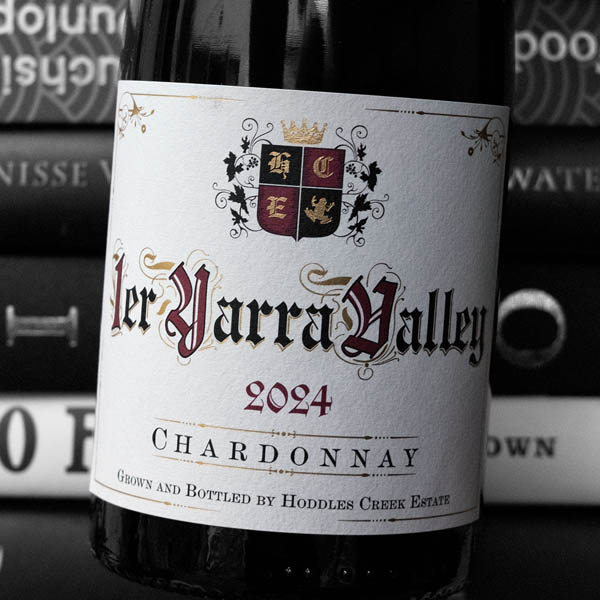
Hoddles Creek Estate 1er Yarra Valley Chardonnay 2024 (Yarra Valley, Vic)
Smells deep and small cell crunchy: corella pear, cox's orange pippin. With warmth it builds candied lemon, a gentle pineyness, and also baby pineapple sharpness. There’s transitory Lucknow fennel. Some yellow peach fuzz glow too. Crisp, crunchy and chewy/grippy on the tongue with zing and zest, becoming more larger in cell structure as it evolves across the palate. Get’s melty and more Meyer lemon perfumed. Some subtle washed-rind brebis mouth-aromas also. An intense, juicy core of fruit for all this to wind around for a good few years yet. 95(96)/100 (e) - 9/10 (h) - 😋😋😋 - $70 cellar direct. The best Hoddles 1er since 2020 I reckon, although the ’23 runs it close.
It was difficut to pick one of Franco’s recent Chardonnays to stick alongside his daughter, Catia’s, but this provides the right foil I reckon. It’s from a perfect spot on the family estate and and you can’t go past the Burgundy homage label for pure fun on screen. Franco’s sticker reads: 'Top grafted in 2013 from vines planted in 2003. Just looked like a good site for Chard. Planted on the crest of a hill with a slight east facing aspect.'
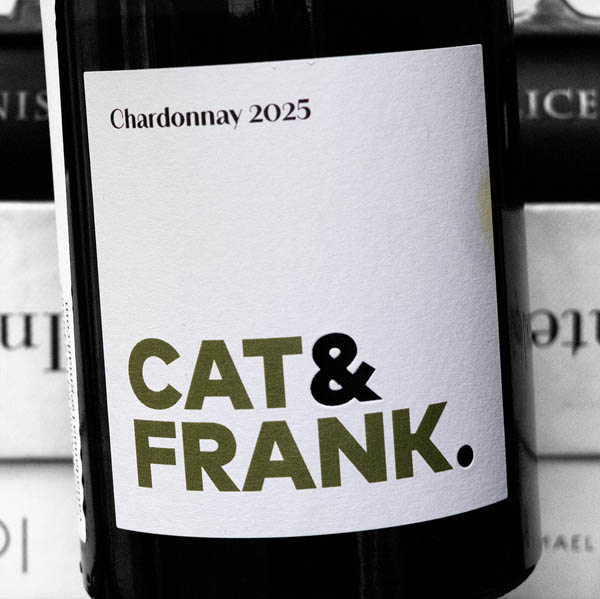
Cat and Frank Chardonnay 2025 (Yarra Valley, Vic)
This smells like some fun. Compressed toffee crab apple and chamomile*. Faintly musqué—apple blossom—Chardonnay drifting fleetingly and then a golden fuzzy glow as it begins to warm and open. There’s Brebis/Manchego* adding a more caramel cheese sapid sniff as well. So lovely. Tight, sweet-sharp apple into white nectarine on the tongue, building really melty —nourishing—acidity and a peach skin chew as it travels and lengthens. There’s a fab smashed nectarine stone bite at the back. There’s edginess, but also lustre. 94/100 (e) - 10/10 (h) - 😋😋😋 - $30 cellar direct.
* The reference to chamomile and toffee apple are pulled from a palate memory of way back: a divine dining experience at The Royal Mail, Dunkeld when the visionary Dan Hunter was in residence. Apple, triple cream, caramel, chamomile — was one of three concluding sweet courses. Don’t know what in this wine sparked this recollection, but it did. Later I got to thinking also about Chris Bianco in the Chef’s Table Pizza series on Netflix, when he relays a story about his first visit to Italy and the pure pleasure and enlightenment he discovered in the flavour of a divine peach plucked from an ice-filled pewter bowl for dessert at a simple Trattoria. He recalls of the tasting experience: ‘It was like I’d never had food before.’
If you’re new to wine—or Chardonnay—this might leave a similar impression. Clearly the fruit in this delightful vino is of impeccable provenance. As Catia d’Anna informs us with the minimal detail bottle sticker favoured by her father, Franco: 'Sourced from the Upper Yarra, for the second release I wanted to tease out a little more phenolics, texture while maintaining line and length in a warm vintage.’ The vineyard which grew the grapes for this fabulous wine is located at Yarra Junction.
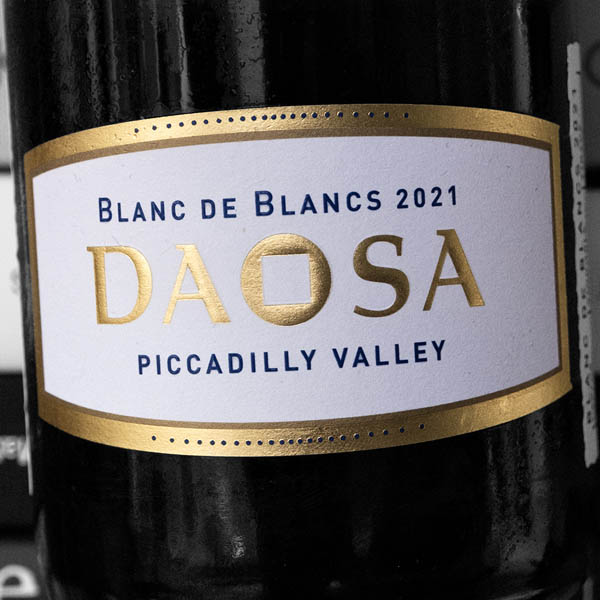
Daosa Blanc de Blancs 2021 (Piccadilly Valley, SA)
Smells quite sublime: super-deep, super-pure, with tangerine peel and baby pineapple*, held in creaminess like a set brûlée before the torch. So a slight wobble among the fruit intensity; so maybe more panna cotta. Gets crystallised peel and panettone dough with air. (This tasting note could be of a fine Franciacorta 😃). On the palate the fruit is delicate, compressed, dry coulis peach and sharp-juicy baby pineapple (again). And a super-fine mousse breaking on the tongue among Meyer pithy peel and melty pink saltiness. There’s gentle white stonefruit kernel and fuzz too, and subtle mouth-aroma wafts of shiny sour-dough brioche crustiness. A most fabulous bubbly. 95(96)/100 (e) - 10/10 (h) - 😋😋😋 - $95 cellar direct.
*I’ve only tasted baby pineapples in Thailand twice, but I recall them as being both sweet, sharp, and acid juicy, but also intensely aromatic. When I encounter this character in Chardonnay my tasting note sensory shorthand is ‘baby pines’, and it tends to—or may—indicate that in the mix are clones that are prone to so-called hen and chicken, such as Mendoza—a.k.a. Gin-Gin—or P58. Millerandage is the accepted technical term for describing the condition of the grape bunch having a large proportion of bigger, seedless berries among smaller—sharper—seeded ones. I’ve heard the term ‘pumpkins and peas’ used in California to described it also, which is rather cute.
To my knowledge, none of the above are planted on the Bizot Vineyard which was established in 1995 for the specific purpose of growing wine grapes for high quality méthode (traditionnelle) sparkling wine. The 30th anniversary background material accompanying the latest releases of Xavier Bizot’s and Lucy Croser’s Daosa sparkling wines states that the clones 76, 95, 96 and 277—sourced from Burgundy and arriving into Australia in the late eighties—are those which are grown there. I’ve no idea if any of these are hen and chicken prone, so I’ll pose the question. It may, of course, have just been a season there was a bit more millerandage around because of the prevailing weather conditions (such as wind at flowering). Or alternatively it may not, and perhaps I’m just getting a bit carried away.
The Bizot vineyard site, incidentally, was identified and selected as being optimal for fine bubbly creation by Xavier’s père, the late Christian Bizot, who lead the venerable and venerated family-owned Champagne house of Bollinger from 1978 until 1994, and Lucy’s father, Brian Croser, whose empoymous bubbly the vineyard was originally destined for (now a brand in the vast Vinarchy portfolio). So it’s a special place with most distinguished beginnings, and one that is now growing and bottling wine of considerable distinction. With certainty, Croser senior would suggest that my connective observation regarding millerandage in chardonnay conferring aromatic characters of baby pineapple, is overly simplistic.
Unless otherwise indicated all wines reviewed on MY site have been assessed in half-blind, peer-group line-ups. You’ll observe that I publish two ratings for each wine reviewed. The score out of 100 (e) is my ‘empiric’ evaluation, based on the palate memory filing cabinet I’ve accumulated having tasted many thousands of wines over a few decades. The second score out of 10 is my ‘hedonic’ (h) score, which is much more personal, and indicates how much I ‘like’ a wine. I believe that the two marking propositions provide a more nuanced approach to ‘rating’ wine. You’ll find detail about the distinction of my hedonic x empiric evaluations here. Any emojis I append should be self-explanatory. 😀
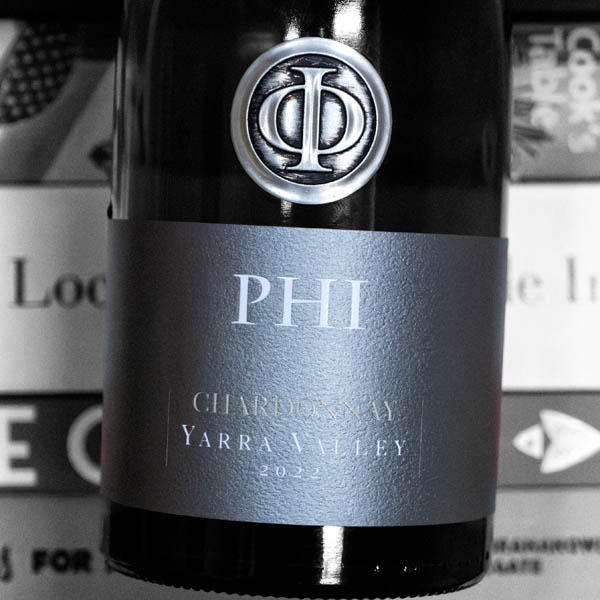
PHI Lusatia Park Chardonnay 2022 (Yarra Valley, Vic)
This has some style: positive pong, transitory almond blossom, ruby grapefruit peel and green apple, a struck flint ozone oyster thing. Kind of lavender too. So limpid and precise smelling. Some Brebis. Tight and edgy in the mouth with the Meyer lemon pink grapefruit peel intensity of the nose running through it. Dense, sapid and nourishing, with good chew. Some bitter arugula to close. No blockbuster, nothing showy in the artefact department, just tight, pure, and gently intense. Restrained beauty. 95/100 (e) - 9/10 (h) - 😋😋😋 - $32 cellar direct. Sublime chardonnay from an exceptional Yarra Valley vineyard, which also happens to be exceptional value.
The first vines were planted on the Lusatia Park vineyard in 1985. It’s located on the red basalts of Woori Yallock in the Upper Yarra and the fruit it grows is much admired. It was acquired by the De Bortoli famiy from the Shelmerdines in 2016. Two thirds of the grapes find their way in De Bortoli’s own wines such as the Phi above and Lustia labels. The remainder is acquired by a number of local producers including Timo Mayer, Mac Forbes, Patrick Sullivan and Giant Steps. Not all producers feature the Lusatia Park origin on the label, of course, as it may be but one part of a final blend.
However, the vineyard did feature as a standalone single vineyard release for Oakridge across many vintages, for both Pinot Noir and Chardonnay wines. The 2013 Oakridge 864 Single Block Release Block A Lusatia Park Chardonnay I recall was especially stunning, and had evolved quite beautifully the last time I tasted it in February 2018.
There’s an excellent treatment available about the vineyard on the Young Gun of Wine website with incredible detail provided by De Bortoli viticulturist Rob Sutherland and it can be found here. What is not mentioned in this formidably detailed document is the clonal make up of the Chardonnay plantings, which are all P58 plus a little more recently established Bernard 76. As well as a small amount of I-clone material.
CHARDONNAY of PAST Note
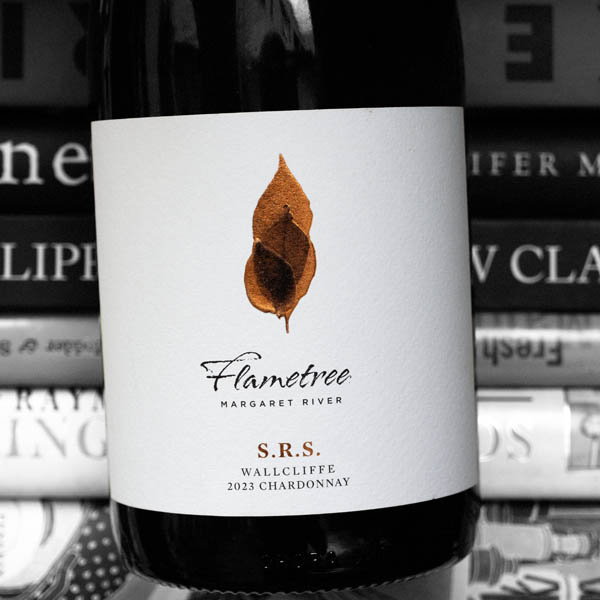
Flametree SRS Wallcliffe Chardonnay 2023 (Margaret River, WA)
This is nose attention grabbing. An intriguing fruit-sulphide-oak interaction, that’s a bit Giaconda-ish. (Although, I know there isn’t a Giaconda in this little line up.) Dried lime peel iced and dust. Makrut lime and baby pineapples. Thai basil. Intense gingin-like baby pineapple and compressed white nectarine. There’s serious fruit intensity on the palate too, but it also possesses a gentleness, and there’s delicate slinkiness through the middle, and ozone-bracing, melty acidity. Mouth-aroma observations of makrut lime also—the peel, the rind, not the leaf—and then divine charcuterie to close. Fruit. Fruit. Fruit. A sublime ortho and retro-nasal sensory experience this. 96(97)/100 (e) - 10/10 (h) - 😋😋😋 - $95 cellar direct. An off the charts great chardonnay, and I so wish I had the wherewithal to indulge in a six-pack.
The 2022 vintage of the S.R.S. was also pretty special . 'This is the dogs'—my original, unedited tasting note reads—‘the dogs’ being a contraction of ‘the dog’s bollocks’, for those not in the know. Which is British English vulgar slang denoting something that is of particularly high quality—the bee’s knees, or cat’s whiskers less crudely.
My note then went on to observe ‘...complex artefact and fruit. Perfect sulphide, white nectarine. Green mango, so good. Smells long.’ It indeed was—is—and I scored it 95/100. But the 2023 is even more complex, especially in matter of aromatics. And yet another affirmation of what a fabulous Chardonnay vintage it was in Margaret River.
Winemaker, Cliff Royale, concurs with this view and goes even further: he, and many others with considerable accumulated experience in the district, are of the view that it is one of the finest for the variety in the region ever. It was mild and dry throughout the summer, so this might explain the heightened edgy, tangy elements in this wine given that Wallcliffe is south of the Margaret River township and a generally cooler sub-region even in a warm year.
The 2023 SRS is composed of grapes from two vineyards: an older one planted to the gingin clone at Chapman Grove; and a second slightly younger one at Erdinger Estate, which is also gingin but founded with cuttings sourced from the hallowed ground of Leeuwin Estate's Block 20.
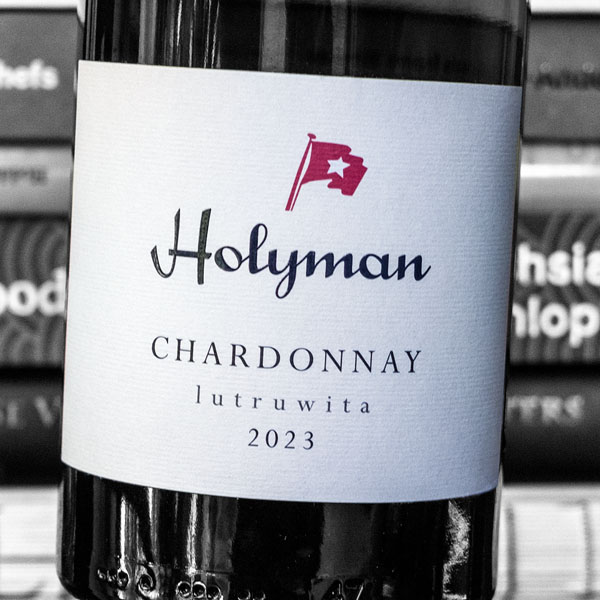
Holyman Chardonnay 2023 (Tamar Valley, lutruwita — a.k.a. Tasmania)
Oyster, iced nectarine kernel. Fine, subtle matchstrike also. Something iced bisque crustacean smelling about it; a touch of slightly resinous herb—rosemary—as it opens up. This smells absolutely lovely. Bracing ozone, marron juices and fab complexity. Not quite as oomphy as I was anticipating in the mouth, although it lingers long, and evolves in an understated and classy, controlled way across the palate. Pale yellow peel and iced dusted white nectarine. Subtle flint mouth-aromas. So many delicious things to suck on here. And it will grow over the next five years. 95(96)/100 (e) - 10/10 (h) - 😋😋😋 - $60 cellar direct. This is no longer available for purchase at Stoney Rise on-line store, but if you make the effort to visit to the cellar door there may be a bottle or two available.😉
With a couple of bottles of Holyman Chardonnay stowed safely in the car boot.
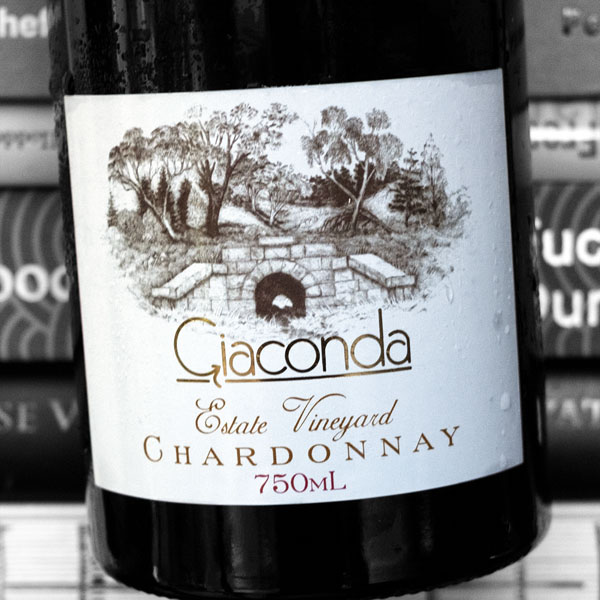
Giaconda Chardonnay 2023 (Beechworth, Vic)
Fruit mince pie filling, complex kumquatty candied peel. Sourdough crustiness among compressed baby pines (some Mendoza or P58 in here?). Swan Vesta match-strike, although not over-the-top. This smells serious, and seriously good. And the fruit just grows and grows as it warms and opens. Dehydrated pine and peach skin. Dried fig too. Lands on the tongue with intense fruit tightness—so intense—with powerful textural artefact and fruit density. Flintiness and sourdough crustiness adding mouth-aroma complexity also, but not at the expense of—or above—the concentrated fruit. So much going on in here. Deep, compressed stone fruit: both the flesh and iced, crushed kernel. Lime thyme peel among the mouth aromas that linger. As you may gather this an off the charts—beautifully flavourful—complex, multi-dimensional chardonnay. Right up there with the 2019, which is a great chardonnay of any provenance. And this is how it tastes now: so it will be sublime to revisit again in a few more years. 97(99)/100 (e) - 10/10 (h) - 😋😋😋 - $150 cellar direct. Needless to say the Giaconda online offer has been and gone, but this will be on lauded wine lists and maybe on a few retailers shelves around the country. And certainly available at auctioneers such as Langton’s when the cellar sellers’ believe the price is right.
My first Giaconda Chardonnay ‘vertical’ consisted of just three wines. One was the nigh-on legendary 1996, the other two I can’t recall. But I do remember that it was sommelier Patrick Walsh who presented the wines to me. At Walter’s Wine Bar: a drinking and dining establishment of considerable legend also.
The tasting trifecta was a component of the inspirational list that Walsh had created and the practice—of tasting pours I mean—was something most novel at the time. No surprise that Walsh would be among the first—maybe even, the first—to implement the practice, given his understanding of—and sheer joy for—the subject. Little wonder at his burgeonning reputation. He first began importing fine rieslings from Germany and other parts while still sommelier at Langton’s (the restaurant), if I recall it right.
He would also have a significant influence on the Frankland Estate Imnternational Riesling Tasting. His wine distribution business, Cellarhand, would become one of the most respected of its kind in the category.
Now I’ve been fortunate enough to have the experiencing a few more Giaconda Chardonnays over the years and were I to place a tasting trio before an Aussie Chardonnay neophyte, keen to understand what great white wine can be grown in this country, it would include this wine, the off-the-charts sublime ’19, and then for something with a bit more age, the ’13, or the ’11. Do point me in the direction of anywhere that might be pouring them.
Brokenwood Indigo Vineyard Chardonnay 2023 (Beechworth, Vic)
Deep fruit, decent pong — complexing struck flint pong, and some subtle toasted macadamia too (from new oak presumably). But not at all artefact affected, this is about pristine fruit. Tangerine peel and P58-like pines. Deep, yet bracing: icy water over pebbles and some green grapefruit. So smart. There’s fab fruit on the palate too, skins of apricot and fuzz of the white nectarine kind, and icy crushed kernel also. Something a touch green again—green grapefruit, but there’s chew and plenty to suck on around a concentrated core. Iced, stone fruit kernel dust and mouth-sucking. A fine, pink salty melt. This is fairly lovely: it’s just that green thing that pops in and out. But I reckon that may resolve in another year or two. 94(95)/100 (e) - 8/10 (h) - 😋😋 - $75 cellar direct.
Could this have been picked half a baumé (or thereabouts) riper I wonder? This I pondered because of the transitory green grapefruit green mango thing I’ve observed about. But then, after learning post-tasting that it’s largely composed of Mendoza clone (not P58), I guess the decision may have been not to let it go too much farther as Mendoza can move quickly into a kind of tinned tropical character on some sites.
Anyhow it’s impertinent to ponder such things I suppose as I wasn’t the one on site making the decision. I’m just the picky bugger who has the opportunity to taste the wine after so much loveliness has been captured and not lost. Who knows what issues were apparent at the time of picking? Residual disease pressure from the wet spring and early summer that preceded fruit maturity? Pressure from predicted changes in the weather ahead of picking? Pressure even on the practicalities of getting either grapes or juice onto a truck for delivery to the winery several hours away in the Hunter? And the winery intake at the end of it.
Had I been a judge at one of the several shows where this has picked up a gold medal—Queensland, Melbourne—I’d have been most happy to move up and go with the flow. And then drink the wine the following day with dinner. Which I did, and the loveliness was still all there.
NB: The comments above do apply to the Indigo Vineyard 2023, not the Mendoza block special release (pictured) which I scored below slightly below the Indigo in my line-up—at 92(93)—with an observation: 'Dense. But palate could do with something more.’ So perhaps I should find out which other clones contributed to the Indigo?

Mayford Wines Chardonnay 2023 (Alpine Valleys, Vic)
Lovely icy butter creaminess and panna cotta. Meyer lemon and Seville orange. Some bay resin and subtle cured pork fat (a character I most associate—perhaps weirdly—with riesling from the Mosel). Has a panna cotta wobble about it on the palate too; a sort of melty brûlée softness and then crispness. A baked apple thing. A poached apricot character too, at the just the right point of sweet-sharpness. Good chew balancing the fruit slinkiness with minced crystallised peel and oatcake mouth-aromas. Not super-long, but super-flavourful. 94/100 (e) - 8/10 (h) - 😋😋 - $50 cellar direct.
I’m a big fan of Mayford’s red wines as will be noted from previous reviews of the estate’s Tempranillo and Oven’s Crossing blend on this website. The Chardonnays to this point though I’ve found a bit too ‘artefacty’, by which I mean too strongly affected by lees the like. So I’m intrigued to learn if anything significant has transpired in the way that juices, ferments, lees stirring, size of cooperage and the like have altered: if at all. Also, for that matter, if there has been any significant difference in the clonal make up of the fruit making up the final blend. Because I do know that Elena Anderson and Bryan Nicholson have been at the vanguard with Tempranillo clonal trials and the like, so I’m sure there’s lots more to learn about how this lovely Chardonnay came into being.
